How to read a certificate of analysis (and what brands hide)
A COA is the most important document a supplement brand will ever show you. Most consumers have never read one. Here is how to read yours in three minutes.
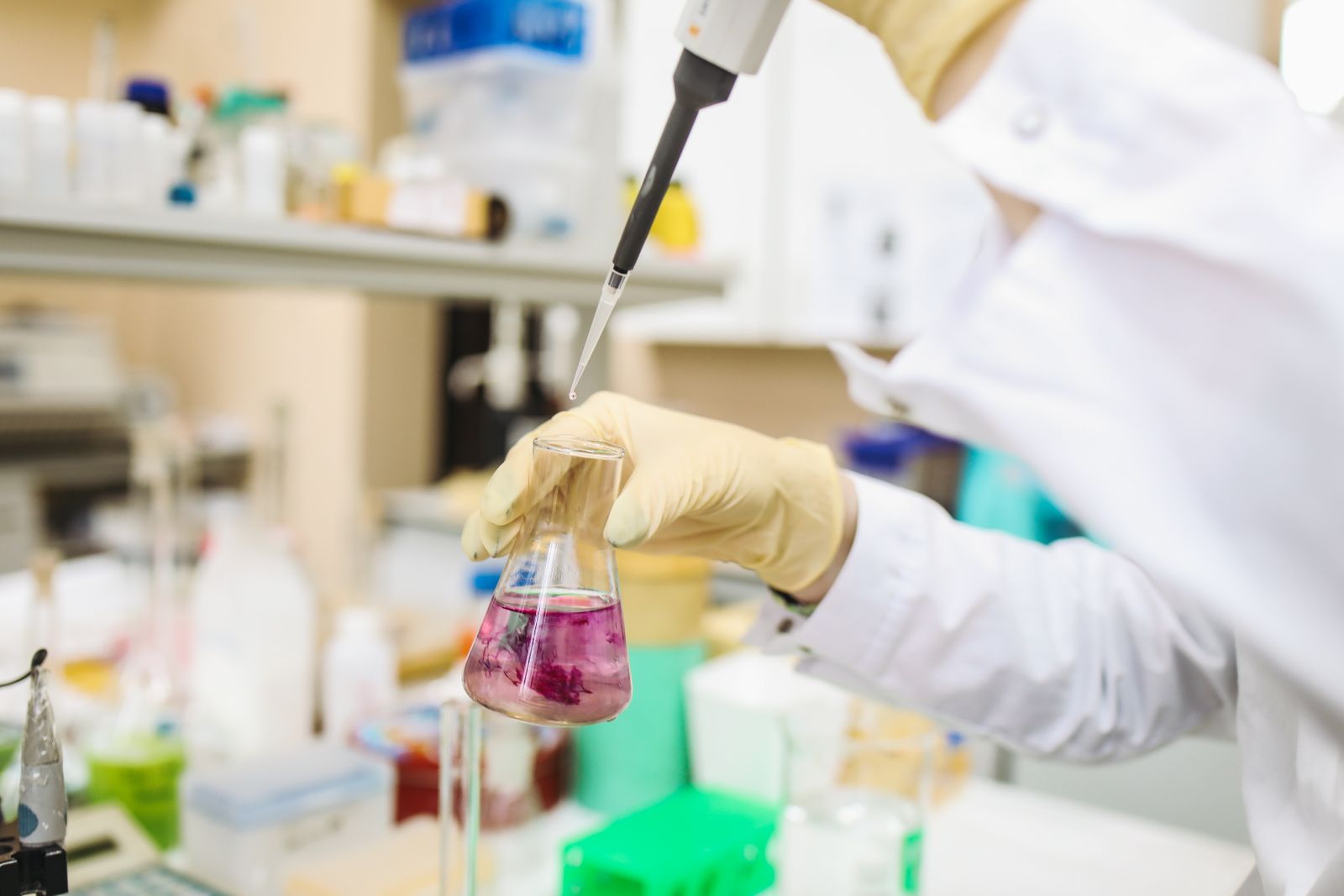
A certificate of analysis (COA) is the document an independent lab produces when it tests a batch of finished product. It is the single most informative piece of paper in the supplement industry, and almost no consumer has ever opened one.
Here is what to look for. Three minutes, no chemistry degree.
1. Lot number and date
The COA must reference a specific lot number. Cross-check that lot number against the bottle in your hand. If a brand publishes a single COA from 2019 and applies it to every shipment since, that is a tell.
2. The lab itself
Look for ISO/IEC 17025 accreditation. This is the international standard for testing laboratories. Reputable third-party labs include Eurofins, NSF, Covance, and Alkemist Labs. A COA signed by a lab you cannot find on Google is worthless.
3. Heavy metals
Lead, cadmium, mercury, arsenic. The Prop 65 thresholds (California) are the strictest in common use: 0.5 μg/day lead, 4.1 μg/day cadmium. A COA should report each metal in either parts-per-million (ppm) or micrograms-per-serving. Brand secrets here include reporting in ppm and hoping you do not do the multiplication.
4. Microbial limits
Total aerobic count, yeast/mold, E. coli, salmonella. These should all read “not detected” for the relevant pathogens and be within USP limits for the counts.
5. Actual potency
This is where brands lose their nerve. If the label claims 600 mg of an active extract, the COA should report the assayed amount — and it should match within ±10%. Watch for COAs that test for “total weight” without assaying the active compound. A 600 mg capsule of mostly maltodextrin will pass a weight test and fail a potency test.
What we publish
Every PrimaGround product page links to the COA for the current shipping lot. We test through two independent ISO-17025 labs (Eurofins and Alkemist) and publish both. If the active-compound assay falls outside ±10% of label claim, the lot does not ship.
This is supposed to be the floor, not the ceiling. It is unfortunately the ceiling.
Premium supplements you can verify.
Seven formulations. Single-origin sourcing. Third-party tested by two independent labs.
Shop the line →